Sermon Archive
Explore messages from our gatherings. Listen, learn, and grow in your faith journey.
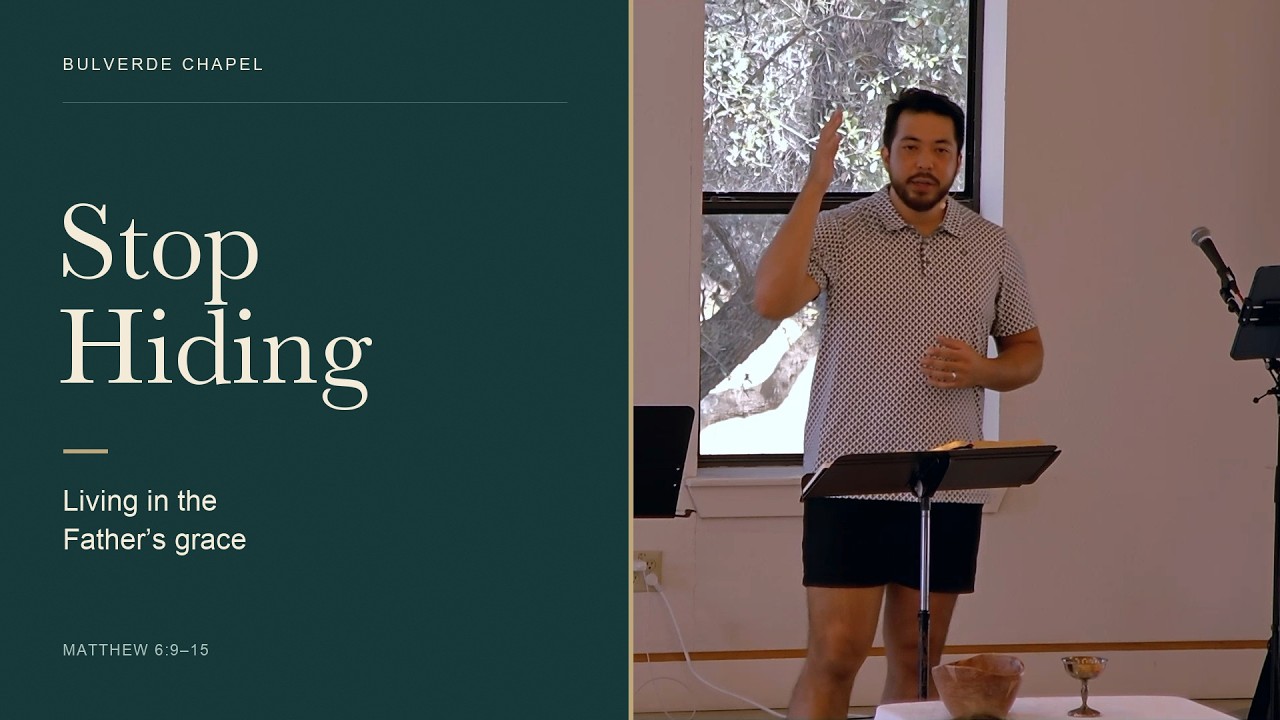
Stop Hiding: Living in the Father’s Grace
God invites us to come to Him as our Father—to trust His care, receive His grace, and extend forgiveness to others. But shame and bitterness can lead us to hide, trying to cover ourselves instead of bringing our lives into His light. Beginning with the Lord’s Prayer in Matthew 6:9–15, this week’s message explores how knowing God as Father shapes our worship, daily dependence, and willingness to forgive. From Adam and Eve’s fig leaves to the shared life of the early church, we see how sin breaks relationships and how God’s mercy calls us toward restored fellowship with Him and one another. The invitation is practical: stop hiding, bring what is concealed into the light, and live by the Spirit. As people who have received grace through Jesus, we are called to offer forgiveness, practice generosity, and care for each other with honesty and love. Main Scripture: Matthew 6:9–15.

Start Where You Stand | Living Under Christ’s Authority
What does it mean to live under Christ’s authority? Start where you are—with the words, choices, and responsibilities God has placed in your hands. This week at Chapel, we explore how being seated with Christ shapes everyday life. From Genesis to Ephesians, we see God’s care in creation, our identity in Jesus, and our connection to one another as His body. Your “30 inches”—your words, time, finances, body, and household—is a place to practice faithfulness. As we bring our daily lives under Jesus’ leadership, we strengthen the church and serve those around us. Main Scriptures: Ephesians 1:19–22 • Ephesians 2:6 • Genesis 1:26–27 • Psalm 8:3–8 Take it into your week: What is one area you can bring under Christ’s leadership today?

Am I Repenting—or Just Trying to Feel Better? | Haggai
Does the direction of your life still reflect your commitment to follow Christ? In Haggai 1, God calls His people to “consider your ways.” They had begun rebuilding His temple, but opposition, discouragement, and misplaced priorities led to years of neglect. Their story raises a searching question: Am I repenting—or just trying to feel better? We explore the difference between relieving our conscience and turning toward God in obedience. God calls His people to respond, assures them, “I am with you,” and stirs their hearts to work. Whatever you’ve been postponing, consider your ways—and take the next faithful step, depending on His help. Scripture: Haggai 1:1–15; Mark 16:7

In View of God’s Mercy: A Life of Worship | Romans 12:1
What does it mean to offer your life as a living sacrifice to God? Through Romans 12:1, this message explores how God’s undeserved mercy invites us into a daily life of gratitude, surrender, and worship. God welcomes us as His children, gives us a place in His household, and sustains us through His Holy Spirit. Our response begins with remembering these mercies and learning to walk with Him in faith. Discover a practical pattern for that walk: ponder God’s mercy, pray for His help, participate through obedience, and repeat—even when you stumble. We don’t obey to earn God’s mercy; we obey in response to the mercy we’ve already received. Join Bulverde Chapel as we consider what it means to give ourselves fully to God and live lives that are holy and pleasing to Him. Scripture: Romans 12:1

The Church Has 45 Days—Now What?
For the past five weeks, God has been teaching us what it means to be a missional people. Now, as we face an uncertain future, we can see how He has been preparing us for this moment. So what do missional people do when they don’t know what comes next? We seek God. We watch for where He is moving. We refuse to be ruled by anxiety. We stand firm wherever He plants us. And we remember that a building does not make us the Body of Christ—Christ does. Jesus is the Head of His Church, and wherever He leads us, we will bear witness that He is King. Scripture: Ephesians 1:20–23; Ephesians 2:4–6; Romans 8:31–39; Colossians 2:19; Acts 2:37–47

A Psalm 1 Person in a Psalm 2 World
What does it mean to be a missional people? Psalm 1 shows us a person formed by God’s instruction—planted by Him and bearing fruit that brings life to others. Psalm 2 zooms out and shows us a world walking another way, while God declares that He has installed His King. It takes courage to be a Psalm 1 person in a Psalm 2 world. Jesus is King. His Kingdom has come near. And we are called to live under His reign, remain faithful to His way, and bring the life of His Kingdom wherever He plants us—even when obedience looks like failure. Missional people are people who live under the reign of King Jesus and bring the life of His Kingdom wherever He plants them. Scripture: Psalm 1–2, Joshua 1:6–9

You’re as Close to God as You Want to Be
Through Jesus, the way into God’s presence has been opened—but have we settled for knowing Him at a distance? In Exodus, Moses entered God’s presence and still cried out for more: “Please, let me see Your glory.” In John 5, Jesus asked a man a searching question: “Do you want to get well?” That same question confronts us today: Do we truly want more of God if it changes our schedules, confronts our sin, and disrupts the comfortable lives we’ve built? The missional life doesn’t begin with trying harder. It begins by drawing near to God, learning His voice, and courageously following His presence into our homes, workplaces, neighborhoods, and everyday conversations. Scripture: Exodus 24, Exodus 33, Hebrews 10:19–22, John 5
Stop Building a Church—Start Becoming God’s People
What if the church is not something we build, but a people God is forming and sending? In this sermon from Deuteronomy 31:1–6, we discover what it means to recognize where God is already working and courageously join Him. God goes before us, works through His people, and deserves all the glory. Whether our future feels clear or uncertain, our calling remains the same: to become a unified, missional church that carries the gospel beyond its four walls. Two questions can transform how we follow Jesus every day: Where is God working? How can we join Him? God is already at work in our homes, workplaces, neighborhoods, and relationships. The question is whether we will have the eyes to see and the courage to follow. 📖 Scripture: Deuteronomy 31:1–6; Numbers 20:7–12 ⛪ Bulverde Chapel ▶️ Subscribe for sermons, Bible teaching, and encouragement for following Jesus. #Deuteronomy31 #ChristianSermon #Church #Discipleship #MissionalChurch #Faith #FollowJesus

God Is Good, Grief is Real, Life is Crazy
What do you do when you believe God is good—but you’re still grieving? The book of Lamentations does not rush us past sorrow or offer easy answers. Written from the ruins of Jerusalem, it shows us that faith and grief can exist together. We can trust God’s character while still feeling confused, wounded, and overwhelmed. In this sermon, we walk through all five chapters of Lamentations and discover how to lament honestly, wait faithfully, and find hope in the middle of devastation. God’s goodness does not mean your grief is unreal. And your grief does not mean God is no longer good. “The LORD is good to those who wait for him, to the person who seeks him.” —Lamentations 3:25 📖 Main passage: Lamentations 3:22–33 🎙️ Sermon: God Is Good, but I’m Still Grieving #Lamentations #Grief #ChristianSermon #Faith #Hope #GodIsGood #bibleteaching
Stop Propping Up Defeated Idols
What are you continuing to hold onto that God has already brought down? In this sermon, we trace one spiritual pattern through three biblical stories: Israel treating the Ark of the Covenant like a weapon, the Philistines propping up the defeated idol Dagon, and Saul placing his own judgment above God’s Word. These stories confront us with a personal question: Who gets the final word in your life—God, your idols, or yourself? Discover how religious appearances, partial obedience, personal ambition, and self-rule can become forms of idolatry—and why the kingdom of God alone will stand forever. Key passages: 1 Samuel 4–5, 1 Samuel 15, 1 Chronicles 10:13–14, Daniel 2 #Sermon #Idolatry #Dagon #KingSaul #ArkOfTheCovenant #BibleTeaching #ChristianSermon
The Creator in the Dirt: Why Jesus Stooped Down to Save You
What happens when your hidden mistakes are suddenly exposed for everyone to see? In this powerful sermon on John 8, we dive deep into the famous story of the woman caught in adultery. While the Pharisees tried to turn her into a political trap for Jesus, they completely missed what was actually happening. We look beyond the surface of this text to uncover: The Scribes’ Mystery: Why early manuscript evidence proves this historic event belongs right where it is. The Reality of Guilt: Why we can’t "grade on a curve" when it comes to our mistakes—and why blaming others won't save us. The Scandal of Grace: What it truly means when Jesus stoops down to the dirt to speak words of salvation into the very dust we are made of. The Final Call: How to accept the free gift of innocence, and the challenging truth of what it means to truly "go and sin no more." If you’ve ever felt the weight of judgment or struggled to leave your past behind, this message will completely change how you view God’s mercy. 📖 Scripture References: John 8:1-11 John 21:24 John 3:17-18 Romans 12:1

What Made Jesus Jump for Joy
What actually makes Jesus rejoice? Not the miracles. Not the theology. Not the impressive religious credentials. In Luke 10, when seventy-two ordinary, unnamed disciples stepped off the sidelines and into the mission of God — that's when Jesus leaped for joy. In this message we walk through Luke 8, 9, and 10 to trace a progression that changes everything. Jesus heals a demon-possessed man. Then He gives that same authority to twelve disciples. Then He hands it to seventy-two everyday people. And then Romans 16:20 lands it on your doorstep. The harvest is abundant. The workers are few. And the specific people God has placed in your life are waiting. You were never meant to be a spectator.

Discover Your True Purpose: Aligning Your Will with God's #shorts
Struggling with God's will? The truth is, your own will might be the obstacle. Discover how embracing His purpose unlocks true humanity. #GodsWill #SpiritualGrowth #PurposeDriven #FaithJourney
The Original (God) Father
Everyone thinks they know what a father is supposed to be. But what if we've had it backwards the whole time? God didn't choose the word "Father" because it was relatable. Fatherhood is relatable because of Him. Before creation, before time, God was already Father — eternally, essentially, fundamentally. In this Father's Day message we explore: Why fatherhood originates in the eternal identity of God Why even people who never had a good father still know something was wrong What Paul actually means in Ephesians 6:4 — and why the English translation leaves so much on the table What it practically looks like to raise your kids in the training and instruction of the Lord Whether you had a great dad, a terrible one, or no dad at all — this message is for you. 📖 Ephesians 6:1-4 | John 17:24 | Genesis 1:26 | Psalm 68:5 | Romans 1:20

Spiritual Slothness
This sounds like humility. It's actually laziness. "God, just do your will. I don't care anymore." That's not surrender. That's you checking out of the process entirely.
Your Will Is the Problem (Not God's)
We spend so much time wondering why God's will feels like it's getting in the way of our lives. But what if we have it backwards? What if your will is the thing interfering with your purpose? In this message we look at what sanctification actually is, how Jesus modeled it in the wilderness and in Gethsemane, and what it looks like to stop being spiritually lazy and actively bring your will to the cross. One question to answer this week: What do you actually want? Don't just write it down. Go talk to God about it.
God's Will Is Simpler Than You Think
What is God's will for your life? Most of us immediately think about careers, relationships, ministry opportunities, or major life decisions. But in one of the clearest statements in all of Scripture, Paul tells us exactly what God's will is: "For this is God's will, your sanctification." (1 Thessalonians 4:3) In this message, we explore the themes of thanksgiving and sanctification in 1 Thessalonians and discover why God often chooses formation over immediate results. Through the wilderness, trials, prayer, and everyday life, God is shaping His people into the image of Jesus. 📖 Scriptures: • 1 Thessalonians 1–5 • 1 Thessalonians 4:3 • 1 Thessalonians 5:18, 23-24 • Romans 8:29 • 2 Corinthians 3:18 #GodsWill #Sanctification #ChristianSermon #BibleTeaching #1Thessalonians #Discipleship #Faith #ChristianLiving
The Day God Changed Where He Lives
What if Pentecost wasn't just the birth of the Church? What if it was the day God changed where He lives? Throughout Scripture, God reveals His presence in specific places—a burning bush, Mount Sinai, the Tabernacle, and the Temple. But on Pentecost, something changed. God no longer chose to dwell in a mountain or a building. Through the Holy Spirit, He began dwelling in His people.

Why God Leads You Into the Wilderness
What if the hardest season of your life isn’t punishment… but mercy? In Deuteronomy 8, God explains why He led Israel through the wilderness — to humble them, reveal their hearts, and teach them to depend fully on Him. And many times, God still does the same with us. Sometimes the wilderness exposes the things we’ve been trusting in more than God. Sometimes good things become idols. And sometimes God disrupts our plans because He loves us too much to leave us unchanged. If you’ve ever wondered: “Why is God allowing this?” “Did God abandon me?” “Why does following God sometimes hurt?” …this message is for you. 📖 Scriptures: Deuteronomy 8, Proverbs 16, John 10:10 #Christianity #Faith #Jesus #Sermon #BibleStudy #TrustGod #WildernessSeason

Trials Happen | What God Is Forming in You
What is God doing in the middle of trials? Why does God allow difficult seasons in our lives? In this sermon, we explore the Book of James 1, Psalm 23, and Micah 6:8 to understand how God uses trials to form us and shape our lives. Life happens—but God is with us. And through every trial, He is producing something deeper in us: endurance, maturity, and a life marked by justice, mercy, and humility. One of the key words in this passage is the Hebrew word hesed—a deep, faithful, covenant love that reflects who God is and what He is forming in us. Through Jesus, we are not just called to get through trials—we are formed by them. You were planted by God to reflect Him, to remain rooted in Him, and to bring His life into every situation He places you in.

The River of Life Explained | You Were Planted to Bring Life
What is the purpose of life according to the Bible? Why did God create us? In this sermon, we explore Book of Genesis 1–2, Book of Revelation 22, and Book of Psalms to uncover God’s design from the very beginning. The river of life flows from God—and it was never meant to stay contained. Through Jesus, that life flows into us and out into the world. You were created to bear fruit, make disciples, and bring God’s life wherever He has planted you.

Planted to Disciple
What does it really mean to make disciples? In the Great Commission, Jesus calls every believer to go, teach, and lead others to follow Him. Discipleship isn't just about Bible knowledge or teaching—it's about living a life that points others to Christ. What does it feel like to be discipled by you?

Planted to Preach
How will people believe if they never hear? In Romans 10, Paul lays it out clearly: people cannot call on Jesus unless they believe, they cannot believe unless they hear, and they cannot hear unless someone preaches. God has planted you somewhere for a reason. You are His messenger in that place.

Every Prayer Answered
What if the reason you're not seeing God at work… isn't because He isn't moving—but because you're not asking to see? We explore why we miss spiritual reality, how God opens our eyes, and what Jesus teaches about prayer through "ask, seek, knock."
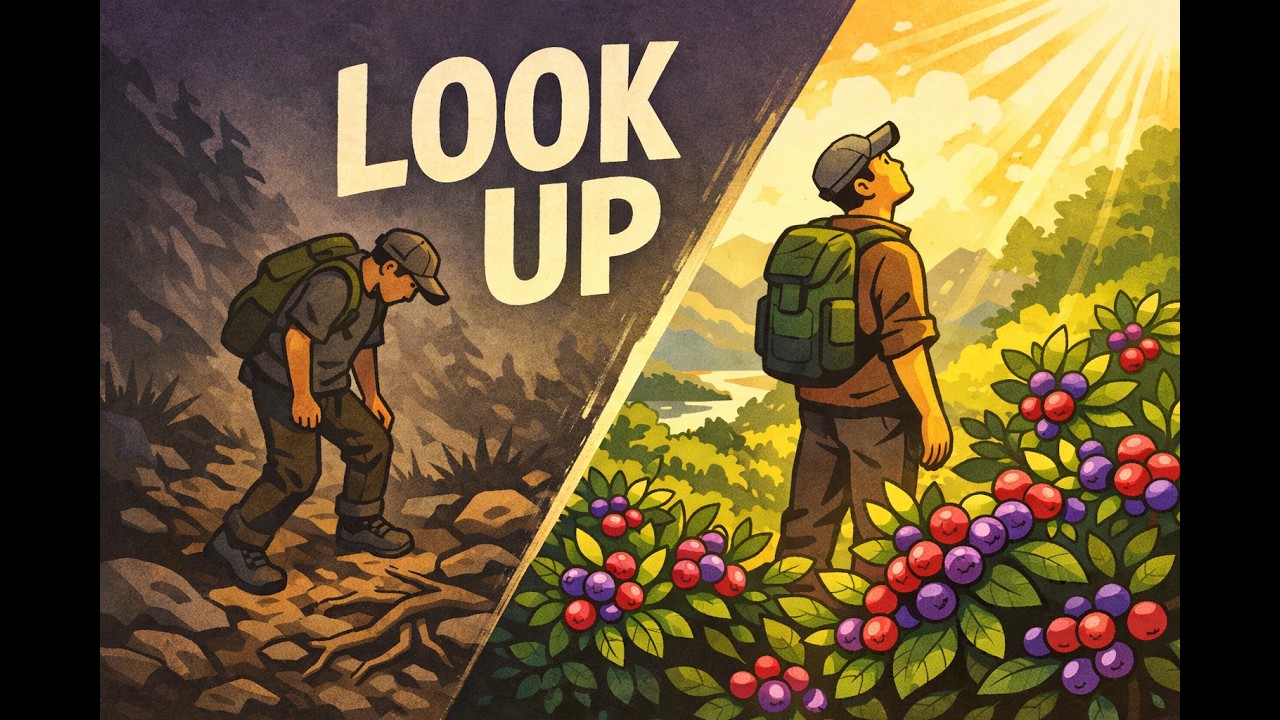
Huckleberries are Everywhere
We often live with our eyes fixed on what's right in front of us—but what if we're missing what's actually real? In this message, we explore how God is the foundation of true reality, how Jesus reveals it, and how our eyes can be opened to see Him at work all around us. Huckleberries are everywhere—you just have to look up.

Loving God, Not Using Him
Why do we actually pursue God? Many of us want to live like Jesus, serve others, and live meaningful lives—but have we ever examined the motive behind it? In this message, we explore what Scripture says about the heart, the danger of pursuing God for what He gives, and why the ultimate goal of the Christian life is knowing and loving God Himself.
Adopted to Pray
Because God is Father, and through Christ we have been adopted as His children, we have been given the Spirit who cries out within us, "Abba, Father." The ability to pray is not something we achieve — it's something we receive. We don't approach God as strangers trying to be heard — we come as sons and daughters welcomed into His presence.

Spiritual Gifts Are Not the Goal. Love Is.
In 1 Corinthians 12–13, Paul corrects a major misunderstanding. Yes, there are gifts of the Spirit — prophecy, tongues, faith, miracles. But they are not spiritual "superpowers" for personal glory. Without love, every gift is just noise. With love, everything changes.
The Foolishness of the Cross
In this message from 1 Corinthians 1:18–24, we look at why the cross of Christ appears foolish to the world—but is the very power of God for those who believe. While the world looks for strength, wisdom, and signs, God brings salvation through sacrifice, humility, and a crucified Savior.

Yoked to Jesus
Letting go of the world isn't enough. In this message, Pastor Nick exposes the danger of an 'empty' faith—one that cleans up behavior without surrendering the heart. Drawing from Jesus' teaching about an empty house, the warning is clear: when Christ is absent, something else will always take His place. This sermon challenges the idea of trying on Christianity and calls us to a deeper allegiance. True freedom doesn't come from self-improvement or moral cleanup, but from being yoked to Jesus.

First to the LORD
Many Christians know how to work for God but struggle to walk with Him. In this message from 2 Corinthians, we're reminded that God's desire has always been relationship over productivity. This sermon calls us to examine what we're "yoked" to and invites us to return to our true purpose: dwelling and walking with God.
Greater Glory
This message explores Paul's call in 1 Timothy to live as an example marked by sincere faith and love, while also unpacking the difference between freedom and maturity in Christ—freedom being immediate, and maturity forming over time. The heart of the message centers on the rebuilding of the temple in Ezra, where younger generations rejoiced while older generations wept, remembering the former glory. This tension leads to God's promise in Haggai 2: that the latter glory of the temple would be greater than the former—a promise fulfilled when Jesus entered the temple.
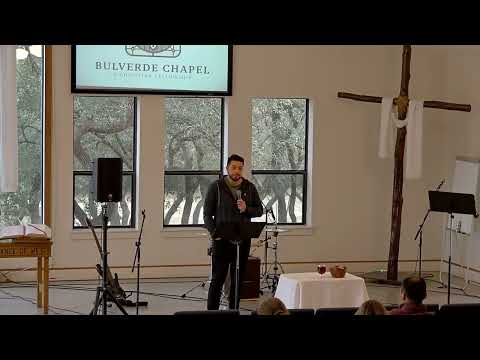
Your Life is a Letter
Bulverde Chapel reminds us that our lives are constantly being read by those around us, revealing what we truly believe and value. Drawing from The Screwtape Letters and Paul's words in 2 Corinthians, the sermon highlights that believers themselves are "Christ's letter," written not with ink but by the Spirit of the living God. The message centers on three marks of a faithful life—ordinary faithfulness, humility, and love—lived out through daily obedience, dependence on God, and self-giving care for others.
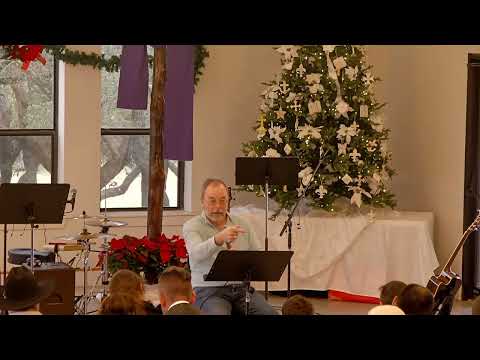
God is good and His steadfast love endures forever
This sermon walks through Psalm 107 to show that the focus of the passage is not the brokenness of humanity, but the steadfast goodness of God who responds to human cries. Using four portraits—the outcast, the addicted, the afflicted, and the self-sufficient—the message highlights how God repeatedly hears, moves toward, and delivers people in every kind of distress. The repeated refrain, "For He is good, for His steadfast love endures forever," becomes both worship and testimony. Ultimately, the sermon presents Psalm 107 as a Christmas story, declaring that God hears the cries of humanity and answers by sending His Word—fulfilled in Jesus Christ—for salvation and healing.
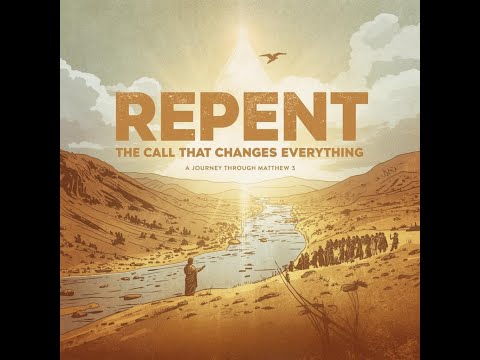
Simple Message: Repent
This sermon walks through Matthew 3 and highlights the simple yet challenging message of John the Baptist: repent, for the kingdom of heaven is near. It contrasts the genuine repentance of the crowds with the hollow religious confidence of the Pharisees and Sadducees, exposing how true repentance must produce real fruit and changed living rather than relying on heritage or ritual. The message connects to the beginning of Jesus' ministry, showing that His first public teachings—righteousness, repentance, and following Him—affirm the same call. The sermon emphasizes that repentance is not just a one-time act but a continual way of life that leads to transformation, righteousness, and spiritual life.